
How Customized Processes Can Revolutionize Your Business Operations
AS
Understanding Customized Processes
In an era where efficiency and adaptability are crucial, businesses are increasingly turning to customized processes to stay competitive. Unlike standardized approaches, customized processes are tailored specifically to meet the unique needs and goals of a business. This personalization can lead to significant improvements in performance, productivity, and customer satisfaction.
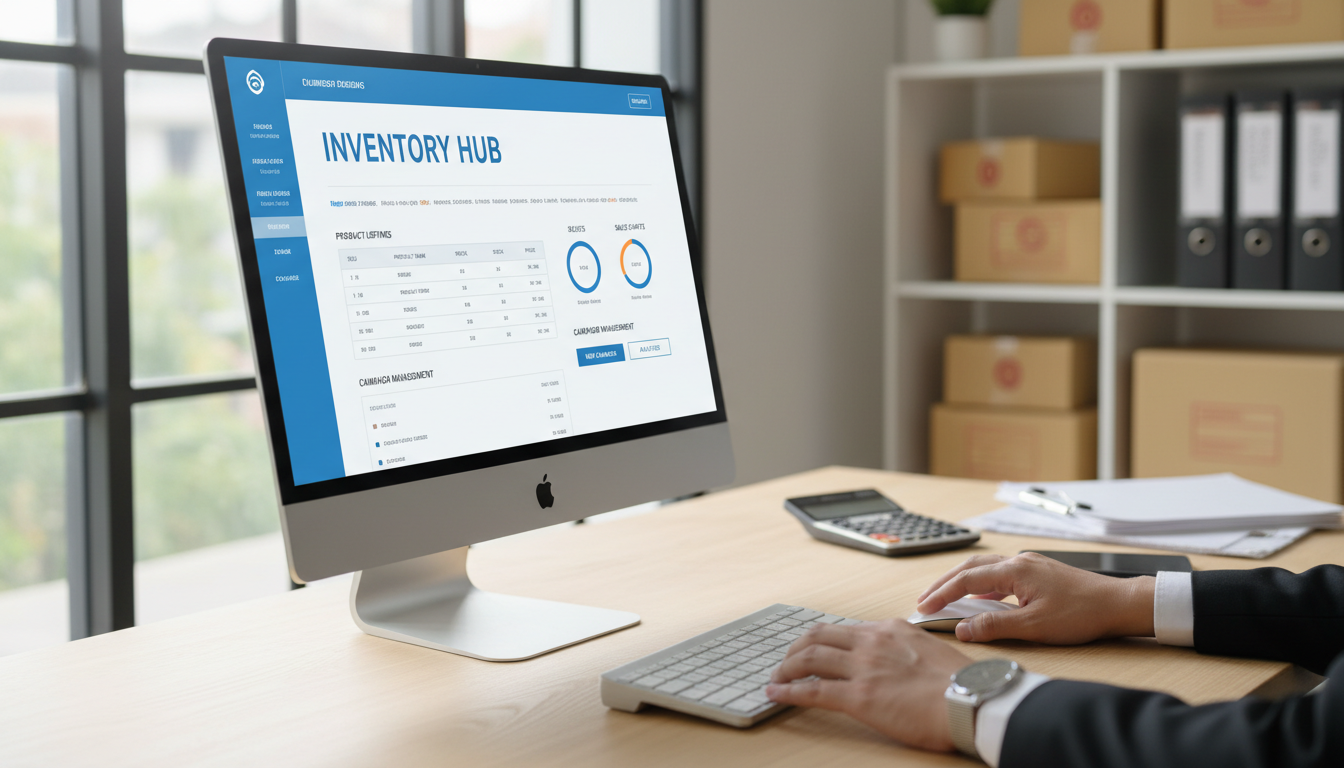
Customized processes allow businesses to streamline their operations by focusing on specific areas that require improvement. By identifying inefficiencies and tailoring processes to address them, companies can achieve a higher level of operational excellence. This approach not only optimizes resources but also enhances the overall workflow, leading to better outcomes.
The Benefits of Customized Processes
Enhanced Efficiency
One of the most significant benefits of customized processes is enhanced efficiency. By designing processes that align perfectly with business objectives, companies can eliminate unnecessary steps and reduce waste. This results in faster completion of tasks and a more agile operation capable of adapting to market changes quickly.
Improved Employee Engagement
When employees are involved in creating or modifying processes to suit their work style, they are more likely to be engaged and motivated. Customized processes can empower teams by giving them a sense of ownership and responsibility, leading to increased job satisfaction and productivity.

Implementing Customized Processes
Identifying Areas for Customization
The first step in implementing customized processes is to identify areas where customization will have the most impact. This involves analyzing current workflows, gathering employee feedback, and assessing customer needs. By understanding these factors, businesses can prioritize which processes to customize for maximum benefit.
Leveraging Technology
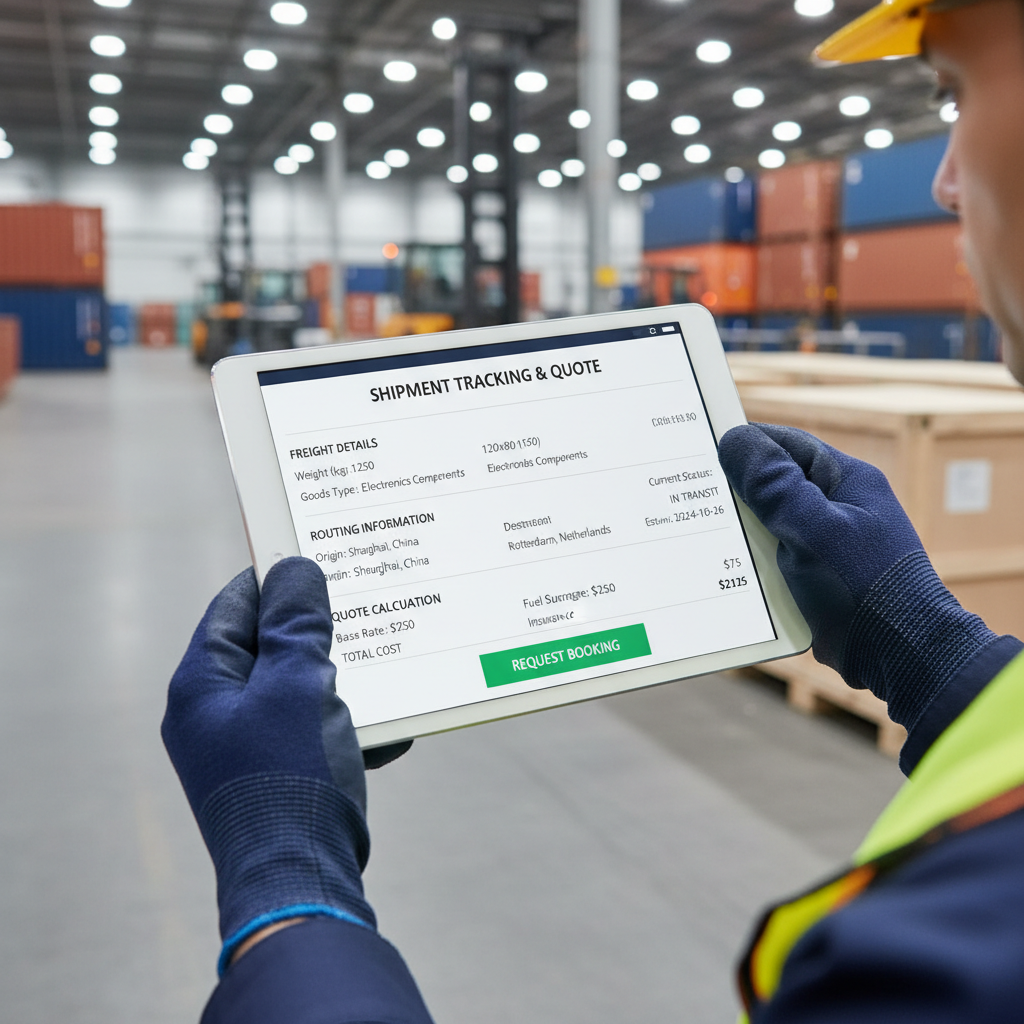
Technology plays a crucial role in the implementation of customized processes. Tools such as data analytics, automation software, and customer relationship management systems can provide valuable insights and capabilities. These technologies enable businesses to design processes that are not only efficient but also scalable and adaptable.
Challenges and Considerations
While the benefits of customized processes are clear, there are challenges that businesses must consider. Implementing these processes requires an investment of time and resources, as well as a commitment to continuous improvement. It's essential to strike a balance between customization and maintaining core business functions.
Moreover, businesses must be careful not to over-customize. Too much complexity can lead to confusion and inefficiency. It’s vital to ensure that customized processes remain clear and manageable, with a focus on simplicity and effectiveness.
Conclusion
Customized processes have the potential to revolutionize business operations by enhancing efficiency, boosting employee engagement, and improving customer satisfaction. By carefully implementing and managing these processes, businesses can achieve significant competitive advantages. As more companies adopt this approach, the ability to personalize and adapt will become increasingly vital to success in the ever-evolving marketplace.