
Expert Tips for Managing Administrative Tasks Remotely
AS
Embrace Technology for Seamless Management
Managing administrative tasks remotely can be a daunting challenge without the right tools. Embracing technology is crucial to streamline processes and enhance productivity. Tools like project management software, cloud-based storage, and communication platforms are essential for remote work success. These tools not only provide a centralized location for documents and tasks but also facilitate collaboration among team members.

Cloud-based solutions ensure that all team members have access to the necessary resources, regardless of their location. This accessibility fosters a more cohesive work environment, allowing for real-time updates and seamless communication. By leveraging technology, businesses can reduce the risk of errors and improve efficiency.
Prioritize Tasks with Effective Planning
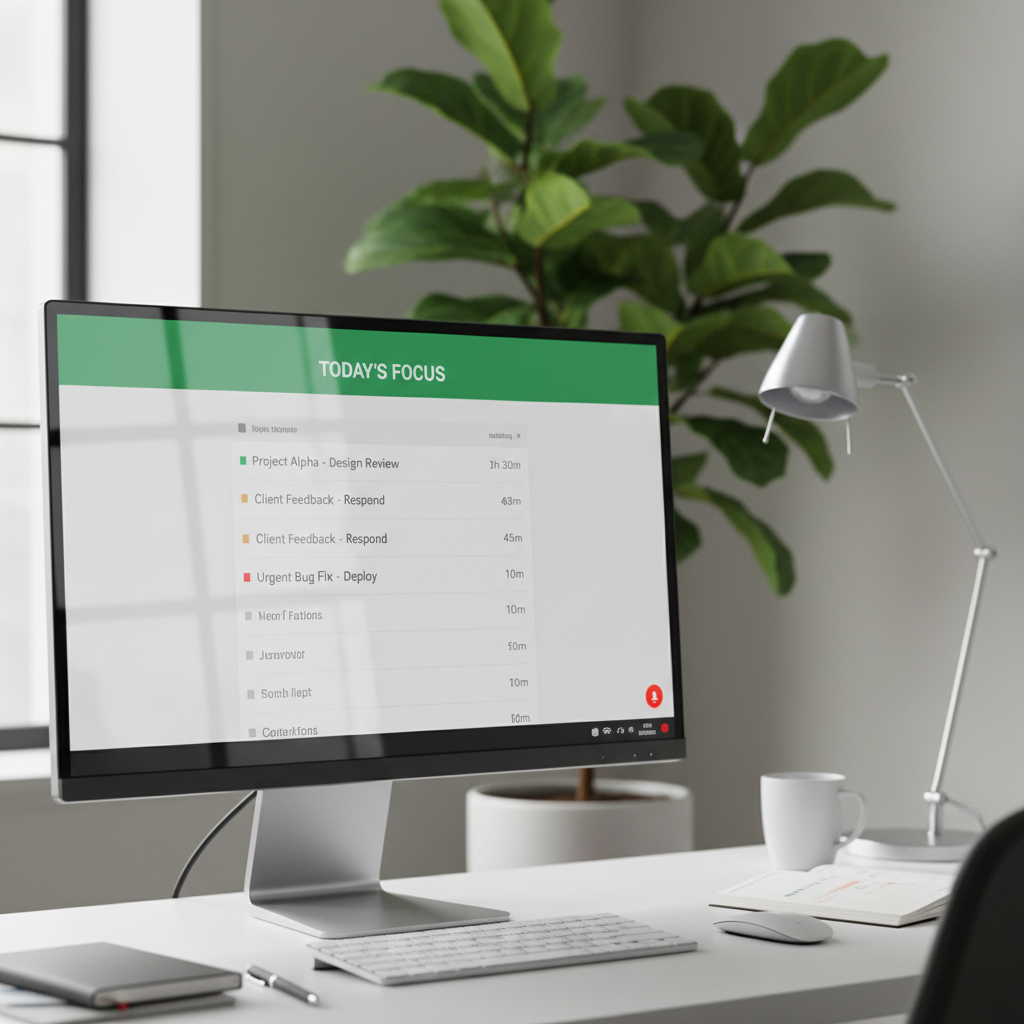
One of the core aspects of managing administrative tasks remotely is effective planning and prioritization. Start by identifying urgent and important tasks, and use digital planners or task management apps to keep track of deadlines. Prioritization helps in allocating resources efficiently and ensures that critical activities receive attention first.
Utilizing a structured approach to task management can reduce stress and enhance focus. Implementing daily or weekly planning sessions can be beneficial in keeping the team aligned and aware of upcoming responsibilities.
Enhance Communication and Collaboration
Communication is key in any work environment, but it's even more critical when managing remote teams. Regular check-ins via video calls, instant messaging, or emails can help maintain a strong connection among team members. Establishing a clear communication protocol ensures that everyone is on the same page and reduces the risk of misunderstandings.
Collaboration tools like shared documents and collaborative platforms enable teams to work together effectively. Encouraging open communication and providing feedback fosters a positive work culture that can thrive even in a remote setting.

Implement Flexible Schedules
Flexibility is one of the significant advantages of remote work. Allowing team members to work during their most productive hours can lead to increased efficiency and job satisfaction. Implementing flexible schedules requires trust and accountability, but it can significantly improve overall performance.
By offering flexibility, companies can support a better work-life balance, reducing burnout and increasing employee retention. It's essential, however, to set clear expectations and goals to ensure that flexibility doesn't lead to missed deadlines or reduced productivity.
Regularly Review and Optimize Processes
Continuous improvement is vital in any administrative role. Regularly reviewing and optimizing processes can lead to more efficient operations. Gathering feedback from team members and evaluating current workflows can reveal areas for improvement.
By staying open to change and willing to adapt, businesses can maintain a competitive edge. Implementing new strategies and tools when necessary ensures that remote administrative tasks are managed effectively.

In conclusion, managing administrative tasks remotely involves a blend of the right technology, effective planning, strong communication, and flexibility. By following these expert tips, companies can overcome the challenges of remote work and achieve success in their administrative operations.